
Payments Sector News
Latest Payments stories with sentiment, impact, and action bias for active crypto traders.
Context filters
Narrow this sector stream by time window.
Americans lost $11B to crypto scams in 2025, says FBI
Americans lost over $11 billion to crypto scams in 2025, highlighting significant risks for retail investors and underscoring the need for enhanced security measures. The FBI's report indicates a concerning trend of minors being targeted in crypto scams, resulting in substantial financial losses and raising awareness about vulnerabilities in younger demographics. Investment scams accounted for the highest percentage of crypto-related losses, suggesting that sophisticated fraudulent schemes continue to exploit investor confidence in digital assets. Despite efforts like Operation Level Up, the persistent volume of crypto scams indicates ongoing challenges in combating illicit activities within the digital asset space.

Stablecoin issuers get closer to U.S. federal rules with FDIC's new proposal
The FDIC's proposed rule for stablecoin issuers, aligned with the GENIUS Act, introduces capital, liquidity, and custody standards, signaling a move towards formal regulatory frameworks for the sector. The proposal clarifies that stablecoins will not receive deposit insurance, a key distinction from traditional bank accounts, impacting how market participants perceive their safety and yield potential. While the FDIC's proposal addresses potential concerns around yield programs, it aims to prevent misrepresentation of interest or yield solely from holding payment stablecoins, requiring careful structuring of rewards. The FDIC's move to solicit public comment on 144 questions indicates a thorough regulatory process, suggesting that final rules may take time to implement, creating a period of regulatory uncertainty for issuers.

Trump-linked World Liberty faces scrutiny over ties to sanctioned network: The Times
The scrutiny over World Liberty's (WLFI) partnership with AB DAO, due to alleged ties to sanctioned entities, raises significant governance and due diligence concerns for the Trump-linked crypto venture. Despite WLFI's claims of no association with sanctioned individuals, the investigation highlights potential reputational risks and the need for enhanced vetting in crypto partnerships, especially those involving politically connected entities. The development could lead to increased regulatory attention and investor caution regarding projects with complex or opaque affiliations, potentially impacting WLFI's market perception and future collaborations.
XRP Price Could Surge From $3 to $25 as Wall Street Pressure Builds, Says Macro Expert
Macro analyst Jim Willie predicts XRP could surge to $25, linking its potential rise to systemic stress in traditional finance and the need for bailouts, suggesting XRP could act as a "device" for Wall Street. The analyst posits that major financial institutions are coordinating behind the scenes to influence regulatory frameworks like the 'Clarity Act,' which could impact digital identity, staking, and dividends, potentially benefiting XRP as a neutral bridge asset. XRP's potential price appreciation is framed by the analyst as a consequence of a global credit crisis and distrust in payment systems, where XRP could eliminate correspondent bank escrow and streamline trillions in capital.

‘Don’t waste time with crypto': Here is what Solana Foundation's cryptic message really means
Solana Foundation's 'Don't waste time with crypto' campaign signals a strategic pivot towards positioning the network as invisible infrastructure for AI-driven economic activity, aiming for seamless, automated agentic payments. The campaign highlights Solana's focus on high throughput and low transaction costs as critical for powering 'agentic payments,' suggesting a potential competitive advantage in the emerging AI-powered internet economy. This marketing shift implies that the future of crypto adoption may lie in its utility as background infrastructure for AI agents, rather than direct consumer interaction, potentially influencing investor perception of network value.
Stock Market Today: Dow Jones, S&P 500 Fall Over 1% as Trump’s Iran Deadline Nears
Geopolitical tensions surrounding Iran's deadline and potential Strait of Hormuz disruption are driving significant market fear, evidenced by a sharp decline in major stock indices and a surge in oil prices. The market's reaction to the Iran deadline highlights a heightened sensitivity to supply chain risks, particularly in energy markets, which could indirectly impact inflation and broader economic sentiment. Despite broad market weakness, specific sectors like AI continue to show resilience, indicating that targeted growth narratives can outperform general market sentiment during periods of geopolitical stress. The uncertainty surrounding the Iran deadline creates a volatile trading environment where rapid shifts in sentiment are likely, making short-term directional plays challenging without clear de-escalation signals.
Iran War Updates: Trump Warns “Civilization Could Die” Amid Oil Strikes
Escalating US-Iran tensions and strikes on Kharg Island, Iran's primary oil export hub, signal potential disruptions to global oil supply. The confrontation over the Strait of Hormuz, a critical energy shipping lane, introduces significant volatility risk for crude oil prices and broader energy markets. While the immediate focus is on oil supply, geopolitical instability in this region can indirectly impact crypto markets through shifts in investor risk appetite and macroeconomic sentiment.

XRP losses are forcing late buyers out, turning every bounce into a new sell zone
XRP is exhibiting capitulation behavior with long-term holders realizing significant daily losses, indicating selling pressure driven by risk reduction rather than profit-taking. Despite positive developments in Ripple's legal standing and business expansion, XRP's price action is characterized by a fragile structure due to underwater buyers and defensive leveraged traders, preventing durable recoveries. While spot markets show continued demand, the negative sentiment in XRP's derivatives market and recent ETF outflows suggest a lack of conviction for a near-term trend reversal, keeping the asset in a state of suspension.
Cardano Whales Rise Over 5% in Nine Weeks as ADA Price Attempts Rebound
Cardano whale wallets have increased by 5.2% over nine weeks to 424, indicating accumulation at lower price levels despite ADA's recent 4% decline. The divergence between whale accumulation and negative derivatives sentiment, with short positions dominating, suggests a cautious market outlook despite on-chain accumulation. Potential Mastercard integration discussions could drive future adoption and transaction activity for ADA, though current price action remains near critical support at $0.24. The Cardano Foundation's backing of governance actions and treasury plans signals ongoing network development, but immediate price impact is unclear.

Americans’ losses to crypto scams rose to over $11 billion last year, FBI reports
Americans lost over $11.4 billion to crypto scams in the past year, a 22% increase, indicating a significant and growing threat to retail investors. The FBI report highlights the increasing sophistication of crypto fraud, with organized criminal enterprises, often based in Southeast Asia, exploiting victims through complex schemes. With 181,565 complaints and an average loss of $62,604 per case, the data underscores the substantial financial damage inflicted on individuals, with many losing life-changing sums. The rise in crypto scams contributes to a broader surge in online fraud, signaling a rapidly evolving threat landscape that requires heightened vigilance from market participants.

Regulation by hostility: the real legacy of Biden-era crypto policy
The Biden administration's crypto policy, characterized by regulation-by-enforcement rather than clear rules, is argued to have stifled American innovation and driven compliant businesses offshore. The article criticizes the dismissal of blockchain's utility in facilitating low-cost cross-border remittances, a critical service for millions globally. The author contends that the administration's approach, including 'Operation Choke Point 2.0,' harmed consumers and legitimate businesses by cutting them off from financial services without due process. The piece refutes the notion that Bitcoin's volatility or speed limitations negate its value, highlighting its security and the broader ecosystem's growth despite regulatory uncertainty.
Ripple Unveils Rapid Crypto Expansion in Africa Amid 52% On-chain Surge
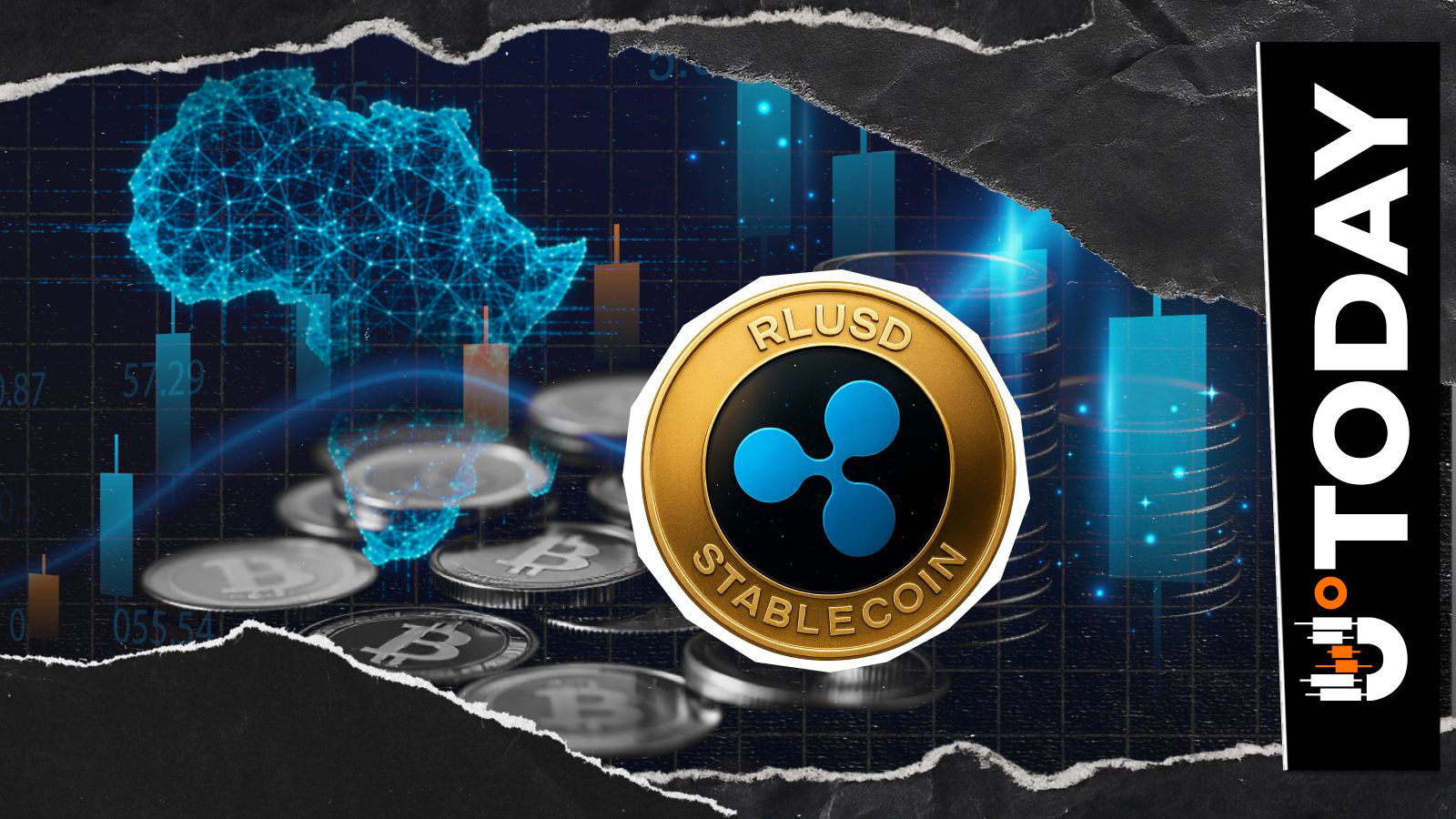
Ripple's expansion into Africa, driven by a 52% YoY surge in on-chain activity and regulatory clarity in key nations, signals a strategic focus on a high-growth emerging market. The emphasis on RLUSD adoption and partnerships with regional fintechs like Chipper Cash and Yellow Card indicates Ripple's intent to leverage stablecoins for institutional payments and financial infrastructure in Africa. The development highlights a trend of established crypto firms targeting regions with increasing regulatory frameworks and significant on-chain growth, potentially unlocking new avenues for adoption and revenue.

South Korea Cracks Down on Crypto Exchanges After Bithumb’s Billion-Dollar Mistake
South Korea's enhanced regulatory framework mandates 5-minute asset reconciliation for exchanges, significantly increasing operational costs and compliance burdens. The lifting of the 8-year ban on corporate crypto investment, with a 5% allocation cap on top 20 coins, signals a cautious but significant step towards institutional adoption in the region. The delay and potential abolition of the crypto gains tax, coupled with offshore capital flight, highlights ongoing uncertainty and the government's struggle to balance revenue generation with market growth. The expansion of the wholesale CBDC pilot to nine commercial banks and its use for government disbursements indicates a maturing digital currency infrastructure with potential implications for future payment systems.

Tom Lee: Bitcoin Beats Inflation 97% of the Time: Here Is the Full Case
Bitcoin has historically outperformed inflation 97% of the time over three-year periods, presenting a strong case as a long-term inflation hedge that is often overlooked in short-term market volatility. While quantum computing poses a future threat to Bitcoin's cryptography, it is unlikely to invalidate blockchain as an infrastructure technology, suggesting a potential divergence in risk and opportunity. The increasing adoption of blockchain by traditional finance for tokenization and the need for efficient micropayment infrastructure for AI agents present significant structural tailwinds for the broader blockchain ecosystem. Despite a strong long-term thesis, potential risks include Bitcoin's governance challenges in adapting to quantum threats and the current limitations of permissioned blockchains and nascent stablecoin infrastructure for AI commerce.

$11.4B Lost to Crypto Scams in 2025: FBI Internet Crime Report
The FBI's 2025 report highlights a significant 22% increase in crypto fraud losses to $11.4 billion, indicating a growing threat that impacts market confidence and investor protection. Older Americans, particularly those over 60, are disproportionately affected, losing $4.4 billion, which suggests a vulnerability in specific demographics that scammers are actively exploiting. The surge in crypto ATM fraud and recovery scams, coupled with the increasing sophistication of AI-driven tactics, points to evolving criminal methods that require enhanced regulatory and security responses. While the FBI's reported figures are substantial, estimates suggest actual global fraud losses could be much higher, underscoring the systemic risk and the need for better reporting and recovery mechanisms.
SBI Ripple Asia Unveils XRP Ledger Token Platform to Power Seamless Asset Bridging
SBI Ripple Asia's completion of its XRP Ledger token issuance platform, coupled with its registration as a prepaid payment instrument issuer, signifies a significant step towards integrating blockchain into Japan's mainstream payment systems. The platform's ability to issue multi-merchant prepaid tokens on XRPL, enabling near-zero fee, 3-5 second transactions, presents a compelling use case for tokenized payments that could enhance efficiency and reduce friction in everyday commerce. This development, alongside SBI Ripple Asia's other recent initiatives like cross-border payment advancements and the introduction of RLUSD, indicates a strategic push to scale blockchain technology for practical financial applications within Japan.

Crypto News: Apple Removes Jack Dorsey’s Bitchat on China’s Orders
Apple's removal of Bitchat from its China App Store, citing regulatory violations, highlights the ongoing tension between decentralized technology and state control. The app's reliance on Bluetooth and mesh networks for offline communication, while enabling censorship resistance, also presents challenges for compliance with local regulations. Despite the ban in China, Bitchat's global download numbers and continued availability elsewhere suggest its core functionality remains appealing to users seeking alternatives to internet-dependent messaging. This event reinforces China's restrictive stance on digital assets and technology that could influence public opinion or organize social activity, impacting the accessibility of certain crypto-related applications within the country.

Argentine banks testing JPMorgan’s JPM Coin to speed up settlements: Report
Argentine banks are piloting JPMorgan's JPM Coin for settlement, indicating institutional adoption of blockchain for efficiency gains despite local regulatory hurdles. The tests focus on recording and reconciling operations via blockchain, not on moving real funds, suggesting a gradual integration of DLT into traditional finance rather than immediate crypto adoption. This development highlights the growing interest in blockchain-based settlement solutions in Latin America, a region experiencing significant crypto market growth, potentially signaling future demand for such infrastructure.
10,000,000 Cardano Holders Top 424 as Price Fights to Come Back
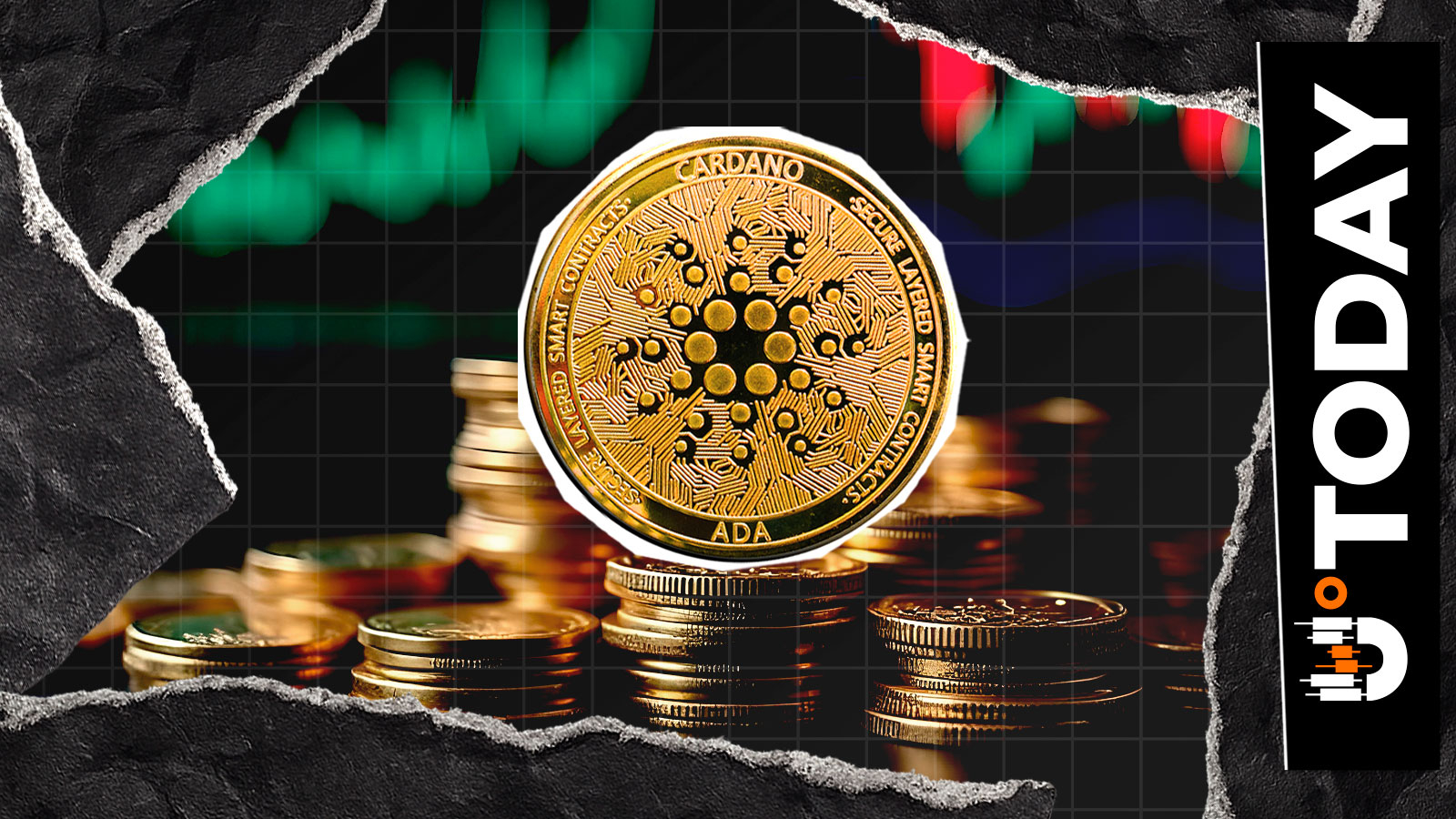
Cardano whale wallets holding 10 million ADA or more have reached a four-month high of 424, indicating increased accumulation and potential bullish sentiment from large investors despite recent price volatility. The sustained accumulation by whales could serve as a catalyst for retail investor interest, potentially driving increased trading volume and supporting ADA's price recovery if current support levels hold. Potential partnership talks between EMURGO and Mastercard, if successful, could significantly boost ADA's utility and adoption for everyday transactions, positively influencing its long-term price outlook. Despite positive whale accumulation signals, ADA is currently trading below $0.25 and faces a risk of testing $0.22 support if the $0.24 level is breached, highlighting immediate price sensitivity to market sentiment and broader altcoin sector rotation.
More Than 100 Banks Are Already Testing Ripple— Is High-Stake Adoption Underway?
Over 100 major banks are actively testing Ripple's payment solutions, indicating significant institutional interest in leveraging blockchain for cross-border transactions and treasury management. Ripple's integration with SWIFT and its Treasury platform, supporting XRP and RLUSD, positions it as a key infrastructure provider bridging traditional finance with digital assets, enhancing efficiency and compliance. The widespread testing by established banks suggests a pragmatic adoption of blockchain technology to improve existing financial systems rather than a disruptive overhaul, potentially leading to increased demand for Ripple's services.

