
Infrastructure Sector News
Latest Infrastructure stories with sentiment, impact, and action bias for active crypto traders.
Context filters
Narrow this sector stream by time window.
Aave Token Falls Near 2-Year Low as Risk Management Firm Becomes Latest to Depart
AAVE's price decline to a near two-year low is directly linked to the departure of Chaos Labs, a key risk management operator, signaling potential instability in Aave's DAO governance and operational continuity. The exit of multiple core contributors, including Chaos Labs and BGD Labs, raises concerns about Aave's internal alignment and the sustainability of its decentralized operational model, potentially impacting investor confidence. Despite the recent V4 protocol launch, AAVE's significant price drop highlights that ongoing governance disputes and contributor departures are overshadowing technological advancements in the short term. With LlamaRisk becoming the sole risk manager and Aave Labs providing additional support, the market will closely monitor the effectiveness of this transition in maintaining protocol security and stability.

Fifth Element Star Milla Jovovich Reveals AI Memory Tool MemPalace
Actress Milla Jovovich has co-developed MemPalace, an open-source AI knowledge tool inspired by the memory palace technique, potentially offering a novel approach to information organization and retrieval in AI systems. While the concept is innovative, its real-world performance and adoption remain unproven, necessitating observation of community deployment and validation beyond initial benchmark tests. The involvement of Ben Sigman from Libre Labs, a Bitcoin lending platform, suggests potential intersections between AI development and existing blockchain infrastructure, though direct crypto asset integration is not specified.
FBI: Crypto Fraud Reaches $11 Billion
The FBI's report highlights a significant increase in crypto fraud, with over $11.2 billion lost in 2025, indicating a persistent threat to investor capital and market integrity. Investment fraud, particularly "pig butchering" schemes and fake exchanges, is the primary driver of these losses, underscoring the need for enhanced user education and platform security measures. The FBI's successful freezing of over 3,000 illicit wallets and recovery of $500 million demonstrates the effectiveness of public-private collaboration and on-chain analytics in combating crypto crime. The increasing use of AI in cybercrime, contributing nearly $893 million in losses, signals a new frontier of threats that will require adaptive security strategies and regulatory oversight.

Solana Foundation to Help Secure DeFi Protocols Following $285 Million Drift Hack
The Solana Foundation's STRIDE program represents a proactive institutionalization of security for DeFi protocols, directly addressing the systemic risks highlighted by the recent $285 million Drift exploit. This initiative signals a maturation of the Solana ecosystem, moving beyond individual audits to offer ongoing, tiered security services, which could enhance investor confidence and reduce future exploit potential. The program's tiered approach based on TVL suggests a strategic allocation of resources, prioritizing larger protocols that pose greater systemic risk, a model that may be adopted by other Layer 1s.
Filecoin Price Prediction 2026,2027-2030: Is a Trend Reversal Ahead for FIL?
Filecoin's price action shows early stabilization near $0.80-$0.90, suggesting potential for a trend reversal if resistance at $1.20 is decisively broken. Analysts project FIL could reach $3-$10 in 2026 and potentially $50 by 2030, driven by increasing decentralized storage demand and network utility upgrades like Filecoin OnChain Cloud. While current price action is consolidating, improving on-chain metrics and whale accumulation in late 2025 provide a foundation for potential upside, contingent on sustained market recovery. The article presents long-term price predictions for FIL, indicating a bullish outlook based on fundamental growth in decentralized storage and network relevance.

Regulation by hostility: the real legacy of Biden-era crypto policy
The Biden administration's crypto policy, characterized by regulation-by-enforcement rather than clear rules, is argued to have stifled American innovation and driven compliant businesses offshore. The article criticizes the dismissal of blockchain's utility in facilitating low-cost cross-border remittances, a critical service for millions globally. The author contends that the administration's approach, including 'Operation Choke Point 2.0,' harmed consumers and legitimate businesses by cutting them off from financial services without due process. The piece refutes the notion that Bitcoin's volatility or speed limitations negate its value, highlighting its security and the broader ecosystem's growth despite regulatory uncertainty.
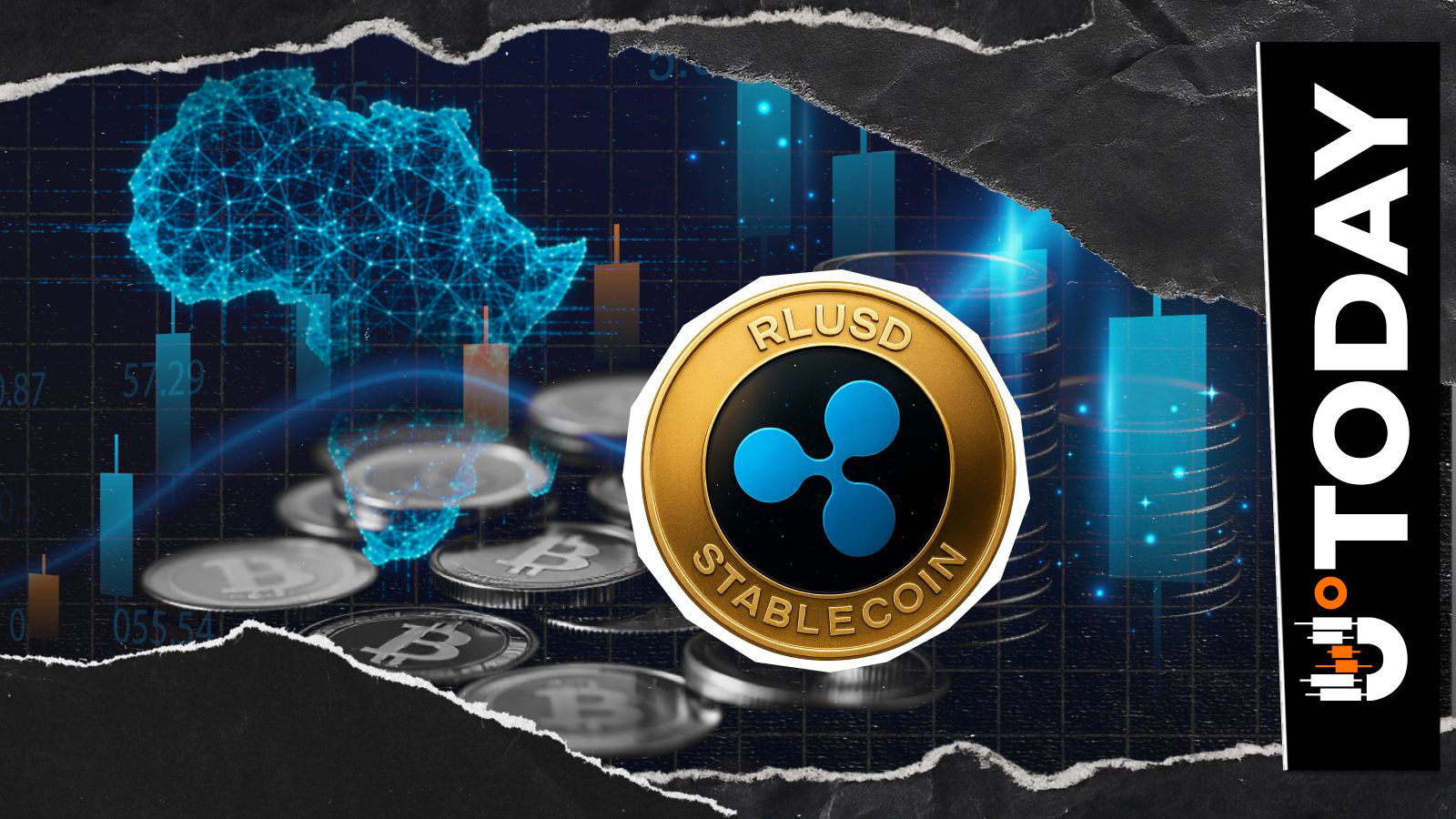
Ripple Unveils Rapid Crypto Expansion in Africa Amid 52% On-chain Surge
Ripple's expansion into Africa, driven by a 52% YoY surge in on-chain activity and regulatory clarity in key nations, signals a strategic focus on a high-growth emerging market. The emphasis on RLUSD adoption and partnerships with regional fintechs like Chipper Cash and Yellow Card indicates Ripple's intent to leverage stablecoins for institutional payments and financial infrastructure in Africa. The development highlights a trend of established crypto firms targeting regions with increasing regulatory frameworks and significant on-chain growth, potentially unlocking new avenues for adoption and revenue.

Aave’s $25 billion lending empire faces a real test as key contributors exit
The departure of key Aave contributors (BGD Labs, ACI, Chaos Labs) creates a significant operational void, potentially impacting Aave's risk management and governance execution during the critical V3/V4 transition. Aave Labs is consolidating functions previously handled by external teams, aiming for faster execution and clearer responsibility, but faces the challenge of replicating the operational density of the previous federated model. Despite contributor exits, Aave's strong market position in DeFi lending, evidenced by its TVL and stablecoin dominance, provides a structural resilience, though a second operational incident could erode confidence. The recent wstETH liquidation event, though minor in financial terms, highlights the operational risks during the V3/V4 overlap and underscores the importance of Aave Labs successfully managing the new integrated structure.

Tom Lee: Bitcoin Beats Inflation 97% of the Time: Here Is the Full Case
Bitcoin has historically outperformed inflation 97% of the time over three-year periods, presenting a strong case as a long-term inflation hedge that is often overlooked in short-term market volatility. While quantum computing poses a future threat to Bitcoin's cryptography, it is unlikely to invalidate blockchain as an infrastructure technology, suggesting a potential divergence in risk and opportunity. The increasing adoption of blockchain by traditional finance for tokenization and the need for efficient micropayment infrastructure for AI agents present significant structural tailwinds for the broader blockchain ecosystem. Despite a strong long-term thesis, potential risks include Bitcoin's governance challenges in adapting to quantum threats and the current limitations of permissioned blockchains and nascent stablecoin infrastructure for AI commerce.
Solana Launches STRIDE and Incident Network to Boost Security
Solana's new STRIDE security program and Incident Response Network aim to bolster ecosystem trust through enhanced monitoring and formal verification, potentially mitigating future exploits. Despite security enhancements, SOL's price weakness and bearish short-term chart structure suggest that market sentiment remains cautious, with key support levels under pressure. The structured security evaluation and public disclosure of findings by independent firms could improve investor confidence in Solana's DeFi protocols, provided vulnerabilities are effectively addressed.

Bitcoin quantum threat is real and closer than it looks, says Nobel physicist
A Nobel Prize-winning physicist highlights that breaking Bitcoin's encryption is a near-term, 'low-hanging fruit' application for quantum computing, suggesting a potential threat window during transaction broadcasting. While a quantum computer capable of breaking Bitcoin's encryption is still a significant engineering challenge, the physicist estimates a 5-10 year window, emphasizing that the crypto community must proactively plan for this eventuality. Unlike traditional financial systems that can more easily adopt quantum-resistant cryptography, Bitcoin's decentralized nature presents a more complex upgrade path, increasing its vulnerability to future quantum attacks.

How North Korea's 6-month long secret espionage program has crypto community rethinking security
The $270 million Drift exploit, attributed to North Korean state actors, highlights a shift from code vulnerabilities to human-centric social engineering, forcing DeFi to re-evaluate its security paradigms. This incident signals a new threat model where attackers employ long-term espionage tactics, embedding themselves through fake identities and cultivated trust, rather than solely relying on technical exploits. DeFi protocols must now prioritize operational security (OpSec) and human element defenses, as even rigorously audited code can be compromised through compromised team members or social engineering. The evolving threat landscape necessitates a broader security approach encompassing people, processes, and governance, moving beyond traditional smart contract audits to address sophisticated, state-sponsored attacks.
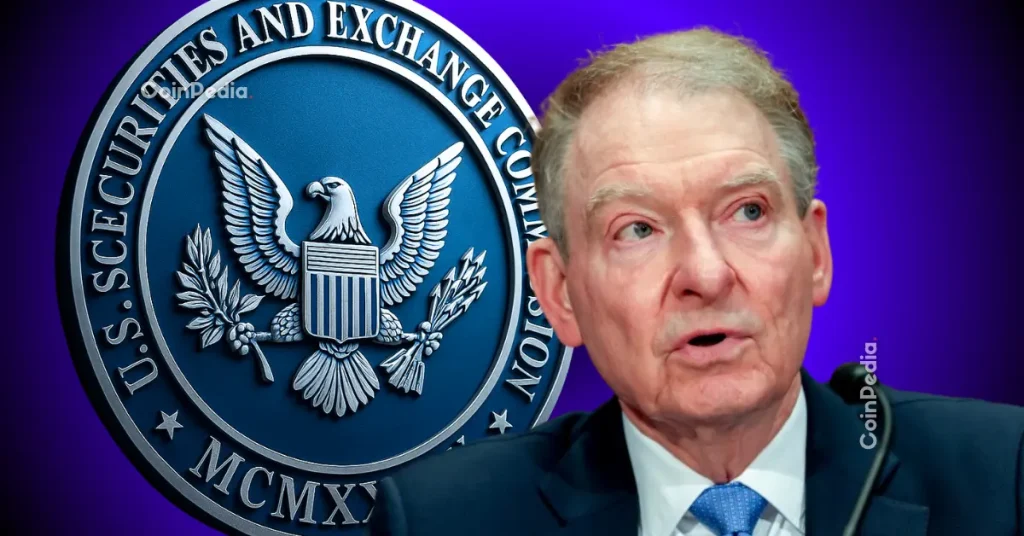
SEC Advances 4 Year Crypto Safe Harbor Plan
The SEC's advancement of a 4-year crypto safe harbor plan, currently under White House review, signals a potential shift towards regulatory clarity for startups seeking capital, which could foster innovation by reducing immediate registration burdens. This proposed framework, alongside an upcoming tokenization exemption, suggests a proactive regulatory approach that may de-risk early-stage crypto ventures and encourage broader institutional participation if finalized. The development indicates a move towards defining digital asset classifications, a crucial step for market participants to understand compliance obligations and potential investment opportunities under evolving securities laws.

New crypto fight with the SEC could decide whether Wall Street keeps control when stocks move to blockchain
The SEC's decision on intermediary definitions for tokenized stocks will determine whether blockchain innovation primarily benefits incumbents or opens new revenue streams for decentralized infrastructure like wallets and smart contract platforms. A ruling favoring Citadel Securities' broad interpretation of intermediaries could keep tokenized equities within traditional financial wrappers, limiting disruption and preserving existing fee structures. Conversely, adopting the Blockchain Association's narrower, function-based view could foster competition by allowing decentralized applications to capture value, potentially accelerating broader adoption of on-chain equity trading. The current $946 million tokenized stock market serves as a test case, with the SEC's framework poised to shape the future control and economic distribution of a potentially trillion-dollar asset class.
Morning Minute: Ceasefire Hopes Rise, Fall Along with Bitcoin
Geopolitical shifts are directly impacting Bitcoin's price action, highlighting its sensitivity to global risk sentiment and potentially creating short-term trading opportunities. Significant institutional buying of both BTC and ETH by entities like Strategy and BitMine suggests sustained conviction despite market volatility, reinforcing existing long-term theses. Polymarket's introduction of a native stablecoin and exchange overhaul signals a move towards greater platform control and potential for new on-chain financial products, impacting the stablecoin and DeFi sectors. Circle's Arc Layer-1 blockchain prioritizing post-quantum signature support from launch addresses a future security threat, positioning it as a forward-thinking infrastructure play against potential long-term risks to established protocols like Bitcoin.
Sam Altman Net Worth: A Deep Dive Into His Wealth
Sam Altman's estimated $3.3 billion net worth highlights a diversified investment strategy across AI, startups, and notably, crypto projects like Worldcoin. Altman's wealth is primarily derived from his role as a capital allocator and early investor, rather than direct equity in OpenAI, indicating a focus on long-term growth and influence. The article underscores Altman's strategic positioning in both the AI boom and the crypto ecosystem through Worldcoin, suggesting a dual focus on transformative technologies with potential for significant future returns. Despite controversy surrounding Worldcoin's privacy implications, its ambitious goal of creating a global identity system and distributing tokens positions it as a key crypto venture for Altman.
Argentine banks testing JPMorgan’s JPM Coin to speed up settlements: Report
Argentine banks are piloting JPMorgan's JPM Coin for settlement, indicating institutional adoption of blockchain for efficiency gains despite local regulatory hurdles. The tests focus on recording and reconciling operations via blockchain, not on moving real funds, suggesting a gradual integration of DLT into traditional finance rather than immediate crypto adoption. This development highlights the growing interest in blockchain-based settlement solutions in Latin America, a region experiencing significant crypto market growth, potentially signaling future demand for such infrastructure.
SEC Crypto Safe Harbor Proposal Advances to White House Review
The SEC's crypto safe harbor proposal advancing to White House review signifies a crucial step towards regulatory clarity for digital asset fundraising. The proposal aims to define when a token may cease to be treated as a security under federal law, potentially impacting how many crypto projects are regulated. While the proposal is not final, its progression to OIRA review suggests a structured effort by the SEC to establish a framework, which could reduce future regulatory uncertainty for the industry.
More Than 100 Banks Are Already Testing Ripple— Is High-Stake Adoption Underway?
Over 100 major banks are actively testing Ripple's payment solutions, indicating significant institutional interest in leveraging blockchain for cross-border transactions and treasury management. Ripple's integration with SWIFT and its Treasury platform, supporting XRP and RLUSD, positions it as a key infrastructure provider bridging traditional finance with digital assets, enhancing efficiency and compliance. The widespread testing by established banks suggests a pragmatic adoption of blockchain technology to improve existing financial systems rather than a disruptive overhaul, potentially leading to increased demand for Ripple's services.

Stop worrying about the quantum threat to Bitcoin – Why Google, IBM, or Microsoft won’t steal BTC, and bad actors will be decades behind
The current state of quantum computing, while advancing, remains far from posing an immediate threat to Bitcoin's cryptography, with estimates suggesting a cryptographically relevant machine is still years, if not decades, away. While recent research has revised down the estimated resources needed for a quantum attack on Bitcoin, the practical barriers to accessing and operating such a facility-scale machine remain extremely high for malicious actors. The primary risk to Bitcoin and similar cryptocurrencies lies in the race between quantum computing development and the adoption of post-quantum cryptography, with migration deadlines like NIST's 2035 target being crucial. The significant capital investment and infrastructure required for quantum computing development suggest that the first credible threats will likely emerge from state-backed programs or misuse of top-tier labs, rather than independent criminal operations.

